
The ancient knowledge of wool and slow living, how to take care of wool textiles in everyday life
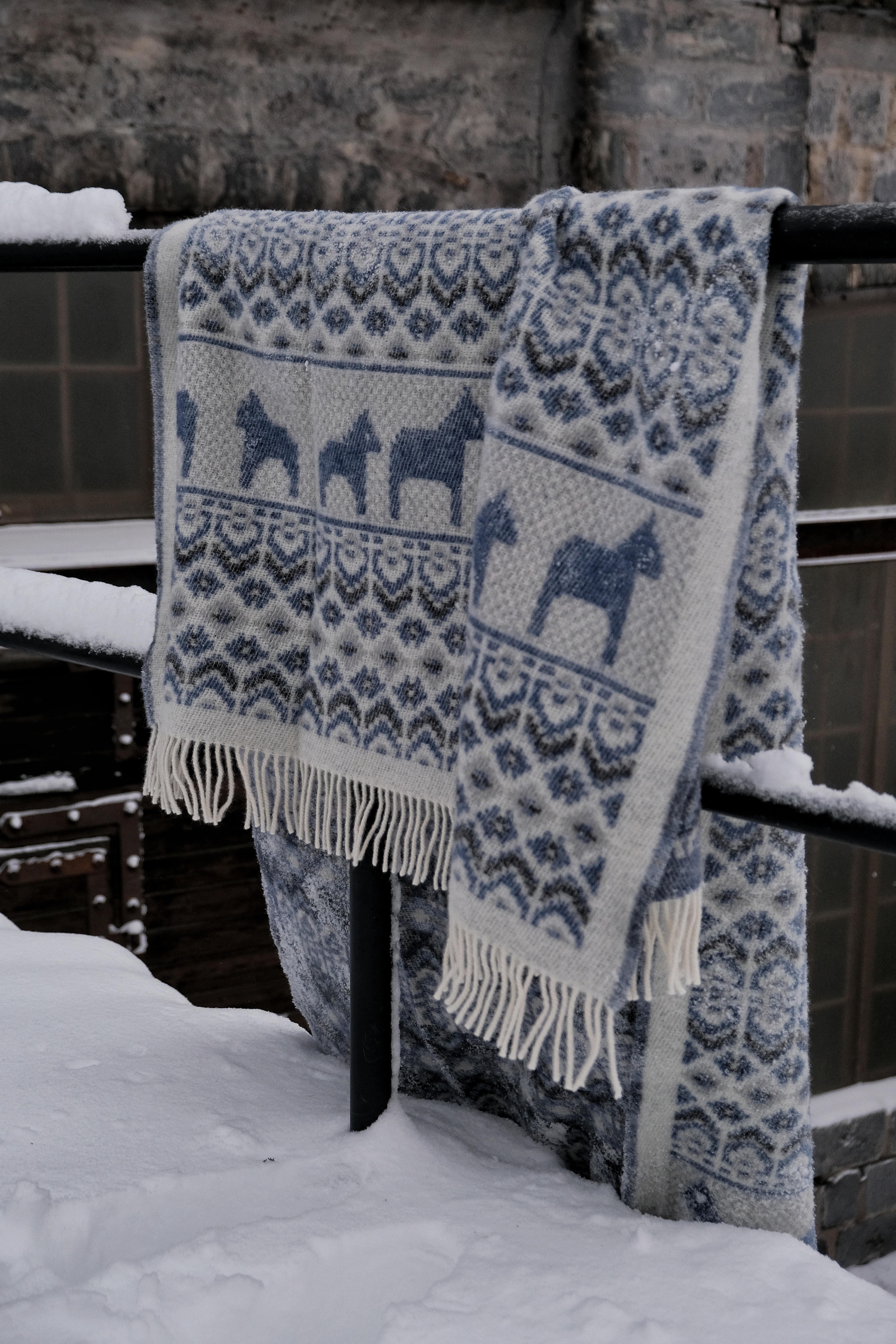
For generations, wool has had a natural place in the home, not as a trend, but as a material you can rely on. It's warm, breathable and long-lasting. But what really makes a difference is how you live with wool, and how simple habits can help it age beautifully. You can read more about the properties of wool here.
Slow living is about just that. Doing fewer things, with more care. Choosing materials that don't require constant attention, and taking care of what you already have.
At Öjbro Vantfabrik, we work with wool that should be used, worn and lived with in your everyday life. That's why we want to share the quiet everyday knowledge that makes a wool blanket, pillowcase or seat cover last for years to come. Explore our wool blankets, wool cushion covers and wool seat pads.
Folklore as everyday knowledge
Folklore is more than stories. It's also the little rituals, routines and tricks of the trade that people have passed on to make their homes work. Like airing instead of washing, brushing instead of scrubbing, and giving materials a rest. In our guide to caring for wool, we have collected the most important habits.
Why wool feels better with less
Wool doesn't absorb odors as easily as many other materials. Fresh air is often enough to make it feel fresh again. It also helps even out the temperature, so a wool blanket can be comfortable to keep close all year round.
When the material requires less, everyday life also becomes a little easier. It is precisely this simplicity that is part of slow living.
Three habits that make a big difference
- Weatherization, the silent shortcut
Hang your wool textiles out in the fresh air for a while, preferably when it's dry outside. It often gives new freshness without wear. For a wool blanket lying on the sofa, airing may be all that is needed. Read more about wool care for more advice. - Brush, don't rub
When the surface gets lint, which is natural for a wool product, or looks tired, a soft brush is often better than washing. Brush lightly, in the same direction. If you have a small stain, it may help to let it dry first and then brush gently. - Rest, wool's recovery
Wool is elastic and needs to rest. Shake the wool blanket, lay it flat, let it recover its shape. It's a small habit that makes a big difference over time.
When washing is needed, do it gently
Sometimes washing is needed, but the goal is always to avoid friction and sharp temperature changes. Choose a wool program and wool detergent, low temperature and low spin. When hand washing, use minimal agitation, squeeze out water without wringing, and dry flat. You can read more about washing wool gently here.
There's something comforting about materials you can understand. Wool doesn't require much, but it does require the right kind of care. Air, care and time.